
News
Making positive improvements with our private 5G network
21 April 2026
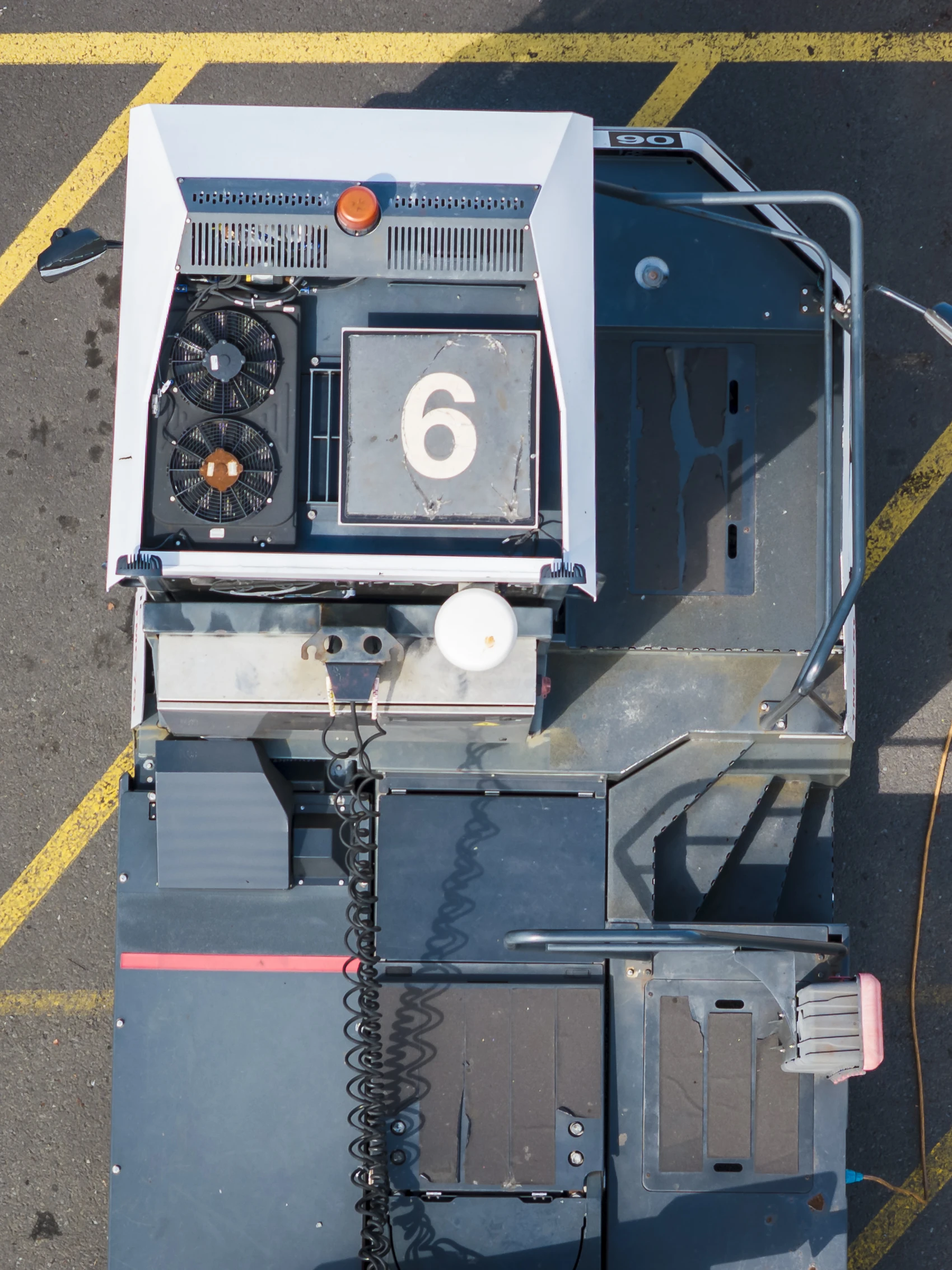
The first major operational application of CentrePort’s private 5G network has now been realised, giving the port’s staff faster, more reliable connectivity to information and systems when and where they need it most.
Following the successful launch of CentrePort’s 5G network late last year, the Digital and Engineering teams moved swiftly to install 5G-enabled Peplink modems onto the port’s reach stackers, empty container handlers and fully electric IMVs (Internal Movement Vehicles).
CentrePort's Chief Executive, Anthony Delaney says this represents a step change in the port’s container operations.
“Our people used to have issues coordinating container movements around the port. They’d come up with workarounds that weren’t ideal, like using radios to pass on container movement information because the public 4G network was unreliable and prone to dropouts or dead zones, created by the very containers they were working with.
Now, our operators can access CentrePort systems through onboard tablets and keep the radios clear for health and safety purposes, which is what they’re meant to do.”
He says there’s a lot less chatter on the radios, ensuring critical safety-related information can be passed on without interference.
Partnered with Tū Ātea, a Maori Telecommunications spectrum provider, CentrePort started with several 5G high-power radio transceivers and antennas installed on CentrePort’s existing light-pole infrastructure, to provide internet coverage to critical parts of the port’s operational environment. The modems then connect over a fibre optic network to Tū Ātea’s state-of-the-art-cloud-based brain.
What’s Improved
The key improvements that have been noted as a result of 5G being operationally implemented are:
- A more reliable connection across the port: Testing and user feedback has shown excellent results. With no reported dropouts, the system is already proving its reliability within the first few weeks of use.
- Faster networking: User feedback has shown that instructions can be sent and received much faster under the new network.
- Radio Usage: Radios are now being used as intended. There is less ‘traffic’ over the channels about container movements, leaving room for the comms that matter.
Next Steps
This first application has paved the way for the 5G network to be expanded further.
Mr Delaney says CentrePort plans to install 13 modems on its new reefer towers, transmitting vital information from reefer and energy management systems back to office-based staff.
“We’re also going to run a trial to see how a 5G network connection might work with our CCTV camera system. This has the potential to provide us with a continuous, reliable source of visual information, which is a critical asset for port-wide safety.”
Mr Delaney says what CentrePort has learned already is that its private 5G network represents an opportunity to improve how the port connects, wherever it needs improvement.